
Cancer Uncovered: Insights into Its Definition and Impact

Cancer is one of the most widely discussed health conditions in the world, yet many people still find it difficult to understand. The word can describe many different diseases, each with its own causes, symptoms, behavior, and treatment needs. Learning the basics can help individuals recognize the value of prevention, screening, early medical assessment, and personalized care.
This article provides an informative overview of what cancer is, how it develops, how it may affect the body and daily life, and why early diagnosis and coordinated treatment are so important.
Cancer Overview and Definition
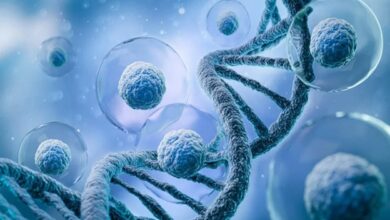
Cancer is a broad group of diseases in which abnormal cells grow and divide without the normal controls used by healthy cells. In a healthy body, cells are created when needed, carry out their specific functions, and die when they become old or damaged. This orderly process helps tissues and organs function properly.
When genetic changes disrupt this system, damaged cells may continue to multiply. Over time, these abnormal cells can form a tumor, invade nearby tissues, and sometimes spread to distant parts of the body. The spread of malignant cells through the blood or lymphatic system is called metastasis.
Not all tumors are cancerous. A benign tumor may grow but does not invade surrounding tissues or spread to other areas of the body. A malignant tumor has the potential to invade and spread. The type of cancer is usually named after the organ or tissue where it begins, such as breast cancer, lung cancer, colon cancer, prostate cancer, or skin cancer.
How Cancer Develops
The body’s cells contain genes that control growth, repair, division, and cell death. Mutations are changes in these genes. Some mutations are inherited from parents, but many occur during life due to aging, environmental factors, lifestyle exposures, infections, or random errors when cells divide.
Most genetic changes do not lead to cancer because the body has repair mechanisms and immune defenses. However, a cell may become malignant when multiple changes accumulate over time. These changes may allow the cell to avoid normal death, multiply rapidly, attract a blood supply, invade nearby tissue, or travel to distant organs.
There is not always one single cause. In some cases, several risk factors may contribute. In other cases, people develop cancer despite having no known major risk factors.
Common Types of Cancer
There are more than 100 recognized forms of cancer. They can affect almost every body system. Some of the most common types include:
- Breast cancer
- Lung cancer
- Colorectal cancer
- Prostate cancer
- Skin cancer
- Cervical cancer
- Stomach cancer
- Liver cancer
- Pancreatic cancer
- Kidney cancer
- Thyroid cancer
- Leukemia
- Lymphoma
- Multiple myeloma
Solid tumors begin in organs or tissues, while blood cancers begin in blood-forming cells, bone marrow, or the lymphatic system. Leukemia, for example, affects blood and bone marrow and may not form a solid tumor. Lymphoma affects lymphocytes, which are important immune-system cells.
Each form can behave differently. Two patients with the same type of cancer may still need different treatment plans because the stage, location, pathology, molecular features, and overall health can vary.
Risk Factors and Prevention
Not every case can be prevented, but some factors can increase risk. Tobacco use is a major risk factor for several types of cancer, including lung, mouth, throat, bladder, kidney, and pancreatic cancer. Excessive alcohol use, obesity, lack of physical activity, poor diet, ultraviolet exposure, certain infections, and environmental or workplace exposures may also increase risk.
Some cancer types are linked to inherited genetic changes. A family history of breast, ovarian, colorectal, prostate, or other cancers may be important to discuss with a doctor. Genetic counseling or testing may be recommended in selected cases.
Helpful prevention habits include:
- Avoiding tobacco products
- Limiting alcohol intake
- Staying physically active
- Maintaining a healthy weight
- Eating a balanced diet
- Using sunscreen and avoiding excessive ultraviolet exposure
- Receiving recommended vaccines, such as HPV and hepatitis B vaccines
- Attending appropriate screening appointments
These actions cannot guarantee prevention, but they can support overall health and lower risk for some forms of cancer.
Signs and Symptoms to Watch For
Symptoms depend on where the cancer begins and whether it has spread. Many symptoms may also be caused by other, non-cancerous conditions. However, it is important to speak with a doctor if a symptom is persistent, unexplained, worsening, or unusual for you.
Possible warning signs include:
- A new lump, swelling, or thickened area
- Unexplained weight loss
- Ongoing fatigue
- Persistent pain
- Unusual bleeding or bruising
- Long-lasting cough or hoarseness
- Changes in bowel or bladder habits
- Difficulty swallowing
- A changing mole or skin lesion
- Changes in breast shape, skin, or nipple appearance
Early-stage cancer may cause no symptoms. This makes screening especially important for people who are eligible based on age, family history, or personal risk factors.
Diagnosis and Staging
Diagnosis begins with a medical consultation, physical examination, and review of symptoms. If a doctor identifies a concern, further testing may be needed.
Tests may include blood work, imaging scans, endoscopy, and a biopsy. Imaging tools such as X-rays, ultrasound, CT scans, MRI scans, and PET scans can help doctors examine an area of concern. A biopsy involves taking a sample of tissue for analysis by a pathologist. In most cases, a biopsy is needed to confirm whether a tumor is cancerous.
After diagnosis, doctors determine the stage. Staging describes the size and location of the tumor, whether nearby lymph nodes are involved, and whether the disease has spread to distant areas. This information helps guide treatment decisions.
Doctors may also assess molecular and genetic characteristics of the tumor. These tests can identify specific changes in cancer cells and may help determine whether targeted treatment or immunotherapy is appropriate.
Modern Treatment Options
Cancer treatment is highly individualized. Depending on the type and stage, a patient may receive one treatment or a combination of several approaches.
Surgery
Surgery may be used to remove a tumor, nearby tissue, or affected lymph nodes. It is often an important treatment for localized cancers.
Chemotherapy
Chemotherapy uses medicines that destroy or slow the growth of rapidly dividing cells. It may be used before surgery, after surgery, with radiation, or as a main treatment for certain types of cancer.
Radiation Therapy
Radiation therapy uses high-energy beams to damage cancer cells. Advanced radiation methods aim to target the tumor area while reducing exposure to surrounding healthy tissue.
Immunotherapy
Immunotherapy helps the body’s immune system identify or attack cancer cells. It may be effective for some types of cancer, but eligibility depends on the patient and tumor characteristics.
Targeted Therapy and Hormone Therapy
Targeted therapy focuses on specific features of cancer cells, while hormone therapy can help treat cancers that rely on hormones for growth, such as some breast and prostate cancers.
At Liv Hospital, cancer care is presented as a multidisciplinary process involving medical oncologists, surgeons, radiation oncologists, radiologists, pathologists, and other specialists. This collaboration helps create an individualized treatment pathway based on diagnosis, stage, and patient needs.
The Impact of Cancer Beyond the Body
A cancer diagnosis can affect emotional health, family life, work, finances, and daily routines. Anxiety, fear, fatigue, pain, and treatment side effects are common concerns. Supportive care is therefore an important part of treatment.
Support may include nutritional guidance, pain management, counseling, physical rehabilitation, fertility discussions, symptom management, and help with returning to normal activities. Family members and caregivers may also need information and emotional support during the treatment process.
Conclusion
Cancer is a complex group of diseases caused by uncontrolled abnormal cell growth. Its impact can be serious, but medical progress has improved prevention, screening, diagnosis, and treatment options for many people.
The most important steps are to stay informed, avoid known risk factors when possible, attend recommended screenings, and seek medical advice for persistent symptoms. Every person’s situation is different, so timely evaluation and a personalized treatment plan remain essential.



One Comment