What Is Orthopedic Medicine and Why Is It Important?
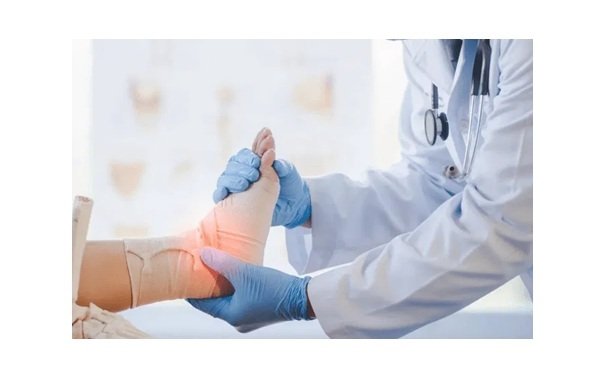
Orthopedic medicine is a vital part of healthcare because it helps people move comfortably, recover from injuries, manage pain, and maintain independence. Every step, lift, stretch, and daily task depends on the musculoskeletal system—a connected network of bones, joints, muscles, tendons, ligaments, cartilage, and nerves.
When this system is affected by injury, overuse, aging, arthritis, poor posture, or a medical condition, even simple activities can become difficult. Walking upstairs, carrying groceries, typing at a desk, playing sports, or sleeping comfortably may be affected by pain or limited mobility. Orthopedic care aims to identify the cause of these problems and create a treatment plan that supports recovery and long-term physical health.
Orthopedic Overview and Definition
Orthopedic medicine is the medical specialty focused on the prevention, diagnosis, treatment, and rehabilitation of conditions affecting the musculoskeletal system. An orthopedic specialist may treat bone fractures, joint pain, sports injuries, spinal problems, arthritis, tendon disorders, and many other conditions that limit movement or cause pain.
The field was originally associated with correcting bone and posture problems in children. Today, it is a broad specialty that serves people of all ages. Newborns may need care for congenital bone or hip conditions, teenagers may need support for scoliosis or sports injuries, adults may require treatment for work-related strain, and older adults may need help with joint degeneration or fractures.
Orthopedic medicine is important because mobility is closely tied to quality of life. Healthy bones and joints allow people to remain active, work, exercise, care for family members, and perform essential daily tasks.
The Musculoskeletal System: How It Works
The musculoskeletal system is designed to provide structure, support, protection, and movement. Each part has a specific role.
Bones
Bones form the body’s framework. They protect organs, store minerals such as calcium, and work with muscles to create movement. Bones can be damaged by sudden trauma, repetitive stress, osteoporosis, infection, or some medical conditions.
Joints
A joint is the area where two or more bones meet. Joints such as the hips, knees, shoulders, elbows, wrists, and ankles allow the body to bend, rotate, and move. Cartilage covers the ends of bones inside many joints, helping them move smoothly with less friction.
Muscles, Tendons, and Ligaments
Muscles generate force and movement. Tendons connect muscles to bones, while ligaments connect bone to bone and stabilize joints. A strain usually affects a muscle or tendon, while a sprain involves a ligament. Both can cause pain, swelling, weakness, and reduced movement.
Cartilage
Cartilage is smooth and flexible tissue that cushions joints. It can be damaged in an injury or gradually wear away over time. Loss of cartilage is a common feature of osteoarthritis and can lead to stiffness and pain.
Common Conditions Treated in Orthopedic Medicine
Orthopedic specialists treat a wide range of conditions. Some occur suddenly after an accident or fall, while others develop gradually.
Common problems include:
- Bone fractures and dislocations
- Osteoarthritis and degenerative joint disease
- Back and neck pain
- Sports injuries
- ACL and meniscus tears
- Rotator cuff injuries
- Tendinitis and bursitis
- Hip and knee pain
- Carpal tunnel syndrome
- Hand and wrist injuries
- Foot and ankle disorders
- Scoliosis and other spinal conditions
- Osteoporosis-related fractures
Arthritis is one of the most common reasons people seek orthopedic care. Osteoarthritis occurs when joint cartilage gradually wears down. It can cause pain, swelling, stiffness, and a reduced range of motion. Although it is more common with age, joint injuries, excess body weight, genetics, and repetitive stress may also contribute.
Sports injuries are another major area of orthopedic practice. Runners, football players, gym-goers, and people who exercise recreationally can experience ligament tears, muscle strains, tendon injuries, stress fractures, or joint instability. Proper diagnosis helps prevent a minor injury from becoming a long-term problem.
Why Orthopedic Care Is Important
Orthopedic care is not only about treating pain after it starts. It can also help prevent further damage, restore function, and reduce the risk of future injury.
For example, untreated joint instability can lead to repeated injuries. A poorly healed fracture may affect alignment and movement. Persistent shoulder or knee pain can cause a person to move differently, placing added stress on other body parts. Timely medical evaluation can help identify the source of pain and guide safe treatment.
Early treatment is especially important for injuries involving severe swelling, deformity, inability to bear weight, numbness, weakness, or sudden loss of movement. These symptoms may require urgent medical attention.
Diagnosis: Finding the Cause of Pain
Orthopedic diagnosis starts with a medical history and physical examination. A doctor may ask about the location of pain, when it began, activities that make it worse, previous injuries, work demands, exercise habits, and other health conditions.
Imaging tests may be needed to understand what is happening inside the body. These can include:
- X-rays for fractures, joint alignment, and bone changes
- MRI scans for ligaments, tendons, cartilage, muscles, and soft tissue
- CT scans for detailed bone imaging
- Ultrasound for selected muscle, tendon, and joint conditions
- Blood tests when infection, inflammation, or autoimmune disease is suspected
The diagnosis determines the most suitable treatment. For example, knee pain might come from arthritis, a ligament injury, a meniscus tear, tendon irritation, hip problems, or a nerve condition. Each cause requires a different approach.
Non-Surgical Treatment Options
Surgery is not always necessary. In many cases, orthopedic conditions improve with conservative treatment. A doctor may recommend rest, activity modification, medication, physical therapy, supportive devices, or injections depending on the condition.
Physical therapy is one of the most important parts of recovery. It helps strengthen weak muscles, improve flexibility, restore balance, and support healthy movement patterns. It can be useful after an injury, before surgery, and during recovery after a procedure.
Braces, splints, orthotic shoe inserts, and mobility aids may also help protect an injured area or improve alignment. Lifestyle changes, including maintaining a healthy body weight and adjusting repetitive activities, can reduce stress on joints.
When Is Surgery Considered?
Surgery may be considered if an injury is severe, a bone is broken or unstable, a tendon or ligament is completely torn, or non-surgical care has not restored adequate function. The goal is often to repair damage, stabilize a joint, relieve pain, or improve mobility.
Common procedures include fracture fixation, arthroscopy, ligament reconstruction, tendon repair, spinal surgery, joint replacement, and hand or foot surgery. Arthroscopy uses a small camera and specialized tools to examine or treat certain joint problems through small incisions.
Joint replacement may be appropriate for advanced hip or knee arthritis when pain significantly affects daily life. During the procedure, damaged joint surfaces are replaced with artificial components designed to improve movement and reduce pain.
At Liv Hospital, the orthopedic approach highlights the importance of physical therapy after treatment. Rehabilitation helps patients rebuild strength and movement before returning to sports, work, and normal activities.
Prevention and Long-Term Joint Health
Many orthopedic problems cannot be completely prevented, but healthy habits can lower risk and support long-term mobility.
Helpful habits include:
- Staying active with appropriate exercise
- Warming up before sports or strenuous activity
- Using correct lifting and exercise techniques
- Maintaining a healthy weight
- Wearing supportive footwear
- Eating a balanced diet with adequate calcium, vitamin D, and protein
- Avoiding tobacco, which can affect bone healing
- Taking breaks from repetitive movements
- Seeking help for persistent pain before it worsens
Conclusion
Orthopedic medicine helps protect the body’s ability to move, work, and live independently. It covers far more than broken bones; it includes joint health, sports injuries, arthritis, spinal conditions, rehabilitation, and long-term prevention.
Whether a person is dealing with a sudden injury or ongoing pain, the right diagnosis and treatment plan can make a meaningful difference. Many conditions improve without surgery, while others require specialized procedures and rehabilitation. The key is not to ignore persistent pain or reduced mobility. Early medical evaluation can help protect joints, restore movement, and support a healthier, more active life.