
How to Determine Liability for Water Damage in Strata Schemes
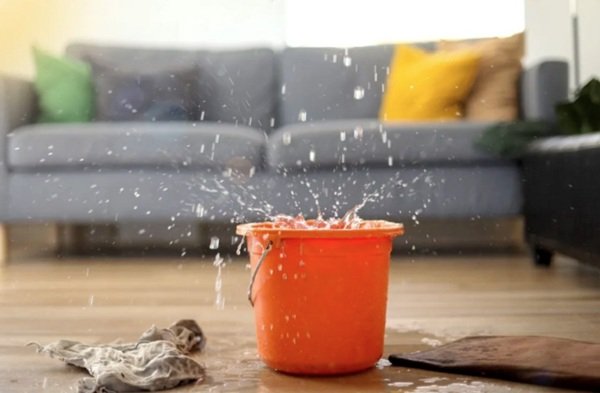
Water damage is one of the most common issues faced in strata properties. Leaks can occur suddenly and may affect multiple apartments, shared structures, or building systems. When water damage occurs in a strata building, one of the first questions that arises is who is responsible for repairs and associated costs. Many property owners begin researching strata responsibility for water damage to understand how liability is determined within strata schemes.
In strata properties, responsibility for water damage usually depends on where the problem originated and whether the affected area is classified as common property or part of an individual lot. Understanding how liability is determined can help owners respond quickly and resolve issues more effectively.
Understanding the Structure of Strata Properties
Strata schemes divide buildings into privately owned lots and shared common property. Individual lot owners are responsible for maintaining areas inside their units, while the owners corporation manages and maintains shared elements of the building.
Common property often includes structural components such as roofs, external walls, pipes that service multiple units, and shared facilities. Lot property typically includes internal fixtures, floor coverings, and appliances located within a specific apartment. When water damage occurs, determining whether the source is within a lot or part of common property is the first step in identifying responsibility.
Identifying the Source of the Leak
The origin of the water leak is the most important factor in determining liability. Investigations usually focus on identifying where the water entered the building structure or plumbing system. Leaks may originate from several sources, including burst pipes, faulty appliances, roof damage, or deteriorating waterproofing in bathrooms or balconies.
Professional inspections are often required to locate the source accurately. Licensed plumbers or building inspectors may use specialised equipment to trace the leak and determine where it began. Once the source is identified, responsibility can be assigned according to strata regulations and building by-laws.
When the Owners Corporation Is Responsible
If the source of the water damage comes from common property, the owners corporation is typically responsible for repairing the issue. This includes fixing the underlying problem and maintaining the building structure. Examples of common property issues may include leaks from shared plumbing systems, roof failures, or damage to external walls that allows water to enter the building. In these cases, the owners corporation usually organises repairs and may use strata funds or building insurance to cover the costs.
When the Lot Owner Is Responsible
If the water leak originates from within an individual lot, the lot owner is generally responsible for the repairs. This may occur when a private appliance fails or when fixtures within the unit cause water damage. Examples may include leaking washing machines, broken dishwashers, or poorly maintained internal plumbing fixtures.
Lot owners are typically responsible for repairing the cause of the leak and addressing any damage that occurs within their unit. However, if water spreads to neighbouring units or shared areas, additional considerations may apply.
Situations Where Responsibility Is Shared
In some situations, responsibility for water damage may be shared between the lot owner and the owners corporation. This can happen when the cause of the leak involves both private and common property elements. For example, waterproofing in certain parts of a building may be considered common property, even though it is located within a private lot. If waterproofing fails and causes damage, the owners corporation may be responsible for repairs. Because these situations can be complex, strata managers and building professionals are often involved in determining liability.
The Role of Strata By-Laws
Strata by-laws can influence how liability for water damage is determined. These rules outline responsibilities for maintenance, repairs, and building modifications. Some by-laws may assign specific responsibilities to lot owners for certain fixtures or structural components that would normally be classified as common property. Reviewing the building’s by-laws can provide important guidance when disputes arise regarding responsibility for water damage.
Investigations and Professional Reports
When water damage affects multiple units or involves structural elements, professional investigations are usually required. Building inspectors, plumbers, or waterproofing specialists may be engaged to assess the problem. These professionals examine the building structure, plumbing systems, and surrounding areas to determine the exact cause of the leak. Their reports help strata committees and owners corporations make informed decisions regarding responsibility and required repairs.
Insurance Considerations
Strata insurance may play an important role in covering certain types of water damage. Most strata schemes maintain insurance policies that cover common property and building structures. However, insurance coverage may vary depending on the cause of the damage and the location where it occurred.
Lot owners may also have their own insurance policies that cover contents or internal fixtures. Understanding the relationship between strata insurance and personal insurance can help clarify how repair costs are handled.
Preventing Future Water Damage
Preventing water damage is an important part of maintaining strata properties. Regular building inspections and proactive maintenance can help identify potential problems before they become major issues.
Property owners should ensure that appliances and plumbing fixtures within their units are properly maintained. The owners corporation should also schedule regular inspections of common property elements such as roofs, drainage systems, and shared pipes. By addressing maintenance needs early, strata communities can reduce the risk of costly water damage incidents.
Conclusion
Determining liability for water damage in strata schemes requires careful investigation and a clear understanding of property boundaries within the building. Responsibility usually depends on where the leak originated and whether the affected area is classified as common property or part of an individual lot. Professional inspections, strata by-laws, and insurance policies all play important roles in resolving water damage situations. By identifying the source of the problem and following appropriate procedures, strata communities can address repairs efficiently while ensuring that responsibilities are fairly assigned. Understanding these processes helps both property owners and strata committees manage water damage incidents effectively and maintain the long-term condition of the building.